Most Download Articles

    Published in last 1 year| In last 2 years| In last 3 years| All| Most Downloaded in Recent Month | Most Downloaded in Recent Year|

    Published in last 1 year
    Please wait a minute...
    For Selected: Toggle Thumbnails
    Advances in synthesis and mining strategies for functional peptides
    TANG Chuan′gen, WANG Jing, ZHANG Shuo, ZHANG Haoning, KANG Zhen
    Synthetic Biology Journal    2025, 6 (2): 461-478.   DOI: 10.12211/2096-8280.2024-067
    Abstract1320)   HTML94)    PDF(pc) (1566KB)(3836)       Save

    Functional peptides are short chain peptides composed of 2 to 50 amino acids, and their biological activities are closely related to their amino acid sequences, chain length, and structural architectures. Functional peptides can play a regulatory role in a variety of physiological processes by specifically recognizing and binding to target molecules in vivo. Due to their rapid action, strong specificity, less side effect and toxicity, functional peptides have shown great application potentials in many fields such as biomedicine, food science and cosmetics. For example, in the field of biomedicine, functional peptides can be used as the basic material of antimicrobe, anticancer, immune regulation and other therapeutic factors. In the food industry, they are used as natural supplements to enhance nutritional value for health benefit. In the field of cosmetics, functional peptides are widely used for the anti-aging, moisturizing, and repairing of the skin. In this paper, we discuss the ways of obtaining functional peptides, mainly including protein hydrolysis, chemical synthesis, and biosynthesis (e.g., through microbial recombinant expression technology), and compare their advantages and disadvantages and respective application scenarios. In terms of strategies for mining functional peptides, we review the latest research progress including phage surface display, machine learning algorithm, molecular docking and artificial intelligence. These techniques show significant potentials in the screening and design of functional peptides. In recent years, the rapid development of synthetic biology and the wide applications of bioinformatics and artificial intelligence have provided new ideas and strategies for the discovery and optimization of functional peptides, making it possible to screen functional peptides through machine learning and high throughput. Looking forward to the future, the research of functional peptides will face new challenges and opportunities. Improving the synthesis process for high efficiency, improving the stability of functional peptides through structural modifications, and using computer-aided optimization and artificial intelligence to design multifunctional peptides will become important research directions. At the same time, strengthening the safety and efficacy assessment of functional peptides can further enhance the applications of functional peptides.

    Table and Figures | Reference | Related Articles | Metrics
    Advancements in the study of probiotics for adjunctive prevention and treatment of malignancies
    ZHU Xinyue, CHEN Tiantian, SHAO Hengxuan, TANG Manyu, HUA Wei, CHENG Yanling
    Synthetic Biology Journal    2025, 6 (4): 899-919.   DOI: 10.12211/2096-8280.2025-004
    Abstract772)   HTML40)    PDF(pc) (2194KB)(3700)       Save

    Cancer continues to pose a significant global public health challenge, as its incidence and mortality rates persistently rise. Conventional cancer treatments, which include chemotherapy, radiotherapy, and surgery, often involves severe side effects and potential drug resistance. This comprehensive review examines the pivotal role of probiotics in cancer prevention, treatment, and management, elucidating their underlying mechanisms and clinical applications. Probiotics, defined as beneficial microorganisms that colonize the human gastrointestinal tract and other mucosal surfaces, have emerged as potential adjuncts in the prevention and treatment of cancer. The mechanisms of action include modulating the tumor microenvironment (TME), enhancing immune responses, and inhibiting carcinogenesis. In cancer prevention, probiotics can modulate the gut microbiota to inhibit carcinogen generation. For example, specific strains of Lactobacillus and Bifidobacterium have been shown to decrease the activity of enzymes involved in carcinogen production, such as β-glucuronidase and nitroreductase. Moreover, Probiotics and their metabolites, such as short-chain fatty acids (SCFAs) and indole compounds, play an antitumor role by regulating the tumor microenvironment such as regulating cancer-related gene expression, the PI3K-AKT signaling pathway, and the tryptophan-indole metabolic pathway. In the context of adjuvant therapy for malignant tumors, probiotics have shown inhibitory effects on various cancers in the digestive and reproductive systems. They can modulate the intestinal microenvironment, influence tumor cell proliferation and apoptosis, and ultimately suppress tumor growth. Additionally, probiotics can alleviate the adverse effects of cancer therapies. For example, they can mitigate chemotherapy-induced diarrhea and radiation-induced mucositis, and promote postoperative recovery by enhancing gut barrier function and reducing inflammation. This review offers a comprehensive and systematic synthesis of research on the role of probiotics in the prevention and adjuvant treatment of malignant tumors. It delves into their potential mechanisms of action and explores their clinical applications, aiming to establish a solid theoretical foundation and practical guidance for the integrated management of cancer. Looking ahead, the integration of synthetic biology with probiotics holds significant potential for cancer therapy. Advances in synthetic biology have enabled the enhancement of the anti-tumor efficacy of probiotics through genetic engineering. Engineered strains, such as Escherichia coli Nissle 1917 and attenuated Salmonella typhimurium VNP20009, have shown potential in tumor-targeted therapy. When combined with emerging technologies such as nanotechnology and photodynamic therapy, the application of probiotics in cancer treatment is expected to become more precise and effective. However, the safety and efficacy of engineered probiotics require further validation, particularly regarding the potential risks associated with long-term use. Future research should concentrate on personalized probiotic applications, the development of engineered strains, and their synergistic effects with other therapeutic modalities to advance this field. In conclusion, probiotics hold significant promise as adjuncts in cancer prevention and treatment, with the potential to modulate the TME, enhance immune responses, and alleviate treatment-related side effects. Further research is necessary to fully elucidate their mechanisms of action and optimize their clinical application, thereby facilitating their integration into comprehensive cancer care strategies. {L-End}

    Table and Figures | Reference | Related Articles | Metrics
    Green biomanufacturing of ceramide sphingolipids
    LU Jinchang, WU Yaokang, LV Xueqin, LIU Long, CHEN Jian, LIU Yanfeng
    Synthetic Biology Journal    2025, 6 (2): 422-444.   DOI: 10.12211/2096-8280.2024-059
    Abstract1065)   HTML58)    PDF(pc) (2417KB)(3225)       Save

    Ceramide, a fundamental bioactive molecule found ubiquitously in eukaryotic organisms, exerts profound regulatory effect on cellular physiology, encompassing critical roles in signaling cascades, cellular proliferation, differentiation, and apoptosis, as well as immunomodulation. In dermatology, ceramides play an indispensable role as constituents of the stratum corneum, the outermost layer of the skin, where they are crucial for maintaining the integrity of the epidermal barrier, regulating moisture retention, combating oxidative stress linked to aging, and exhibiting notable antimicrobial and anti-inflammatory properties. The multifaceted biological functions of ceramides underscore their extensive applications in various industries, including cosmetics, biomedicine, functional food, and animal nutrition, highlighting their significant market potential and therapeutic value. The chemical synthesis of ceramides poses substantial challenges due to the intricate stereochemistry involved, necessitating precise control over synthetic pathways. As a result, current commercial sources predominantly rely on semi-synthetic methods that integrate traditional natural extraction techniques with biochemical transformations of sphingolipid precursors to achieve targeted ceramide structures. Recent advancements in synthetic biology have explored microbial systems for the production of sphingolipids, including ceramides, offering promising avenues for scalable and sustainable synthesis. However, optimizing de novo synthesis pathways and their efficiency in microbial cell factories remains a primary research focus. Strategies aimed at enhancing ceramide yield and purity through metabolic engineering and pathway optimization are pivotal for advancing industrial applications. This paper provides a systematic review of the physiological effectiveness and function of ceramides, encompassing their physiological roles and various applications. It begins with an overview of ceramide extraction methods, including both natural extraction techniques and chemical synthesis approaches for ceramides and their precursor compounds. Subsequently, the review addresses the sphingolipid synthesis pathways and their associated key enzymes, detailing strategies for pathway regulation and optimization, as well as the aspects of product transport, storage, and secretion. Additionally, it explores the identification and expression of key enzymes. The paper concludes by examining future directions in the field, such as addressing aggregation toxicity in ceramide synthesis, enhancing transport and secretion mechanisms, advancing digital modifications of catalytic elements, and expanding gene regulatory target exploration. By synthesizing current knowledge and highlighting avenues for innovation, this review aims to catalyze further research effort toward achieving efficient ceramide production. Ultimately, optimizing ceramide synthesis has the potential to unlock its full potential in various sectors, contributing to its advancement in skincare, therapeutics, and functional materials. The integration of microbial systems is particularly promising for expanding production capabilities while addressing sustainability concerns in ceramide manufacturing. Continued advancements in synthetic biology and biotechnology are expected to revolutionize the landscape of ceramide applications, paving the way for enhanced therapeutic interventions and novel industrial applications in the future.

    Table and Figures | Reference | Related Articles | Metrics
    Research progress in the biosynthesis of salidroside
    HUANG Shuhan, MA He, LUO Yunzi
    Synthetic Biology Journal    2025, 6 (2): 391-407.   DOI: 10.12211/2096-8280.2024-076
    Abstract1914)   HTML145)    PDF(pc) (1809KB)(3095)       Save

    Salidroside, a natural product known for its anti-hypoxia, anti-oxidation, anti-inflammatory, anti-aging, and anti-tumor properties, is extensively utilized in the food, cosmetics and pharmaceutical industries. Traditionally, salidroside has been obtained through the extraction from the rhizomes and tubers of Rhodiola species, including water extraction, two-phase aqueous extraction, supercritical CO2 extraction and microwave assisted extraction. However, its low natural abundance (with the salidroside content in rhizomes and tubers of Rhodiola species ranging from 0.5% to 0.8%), coupled with escalating demand, has led to a progressive depletion of these plant resources. Given the broad application potential of salidroside, the rapid growth of market demand, and the increasing scarcity of natural resources, there is an urgent need to develop innovative synthetic approaches for this valuable compound. Chemical synthesis of salidroside is characterized by its efficiency and rapid processing time. However, the use of strong acids, bases, and catalysts with heavy metal ions in the synthesis process poses challenges for the separation of salidroside with environmental risks. In recent years, with the advancements in synthetic biology, the construction of microbial cell factories for the biosynthesis of salidroside has become a viable strategy for addressing the current supply-demand imbalance and resource scarcity associated with the natural biosynthetic pathway of salidroside. To enhance the production of salidroside biosynthesis, two major strategies can be employed. First, metabolic engineering approaches can be used to overexpress key genes in the synthesis pathways while knocking out or downregulating the expression of genes related to the bypass routes, thereby increasing precursor accumulation and enhancing the metabolic flux. Second, enzyme engineering can be applied to improve the catalytic efficiency and regioselectivity of natural glycosyltransferases, which often exhibit low activity and poor selectivity. Sequence alignment techniques can be used to identify and screen potential glycosyltransferases from various biological genomes. Additionally, protein engineering combined with computational approaches can be utilized to optimize these enzymes to meet specific requirements, ultimately improving the production of salidroside. In this comprehensive review, we systematically assess the pharmacological activities of salidroside, the plant biosynthetic pathway, the mining and screening of the enzymes, and the biosynthetic advancements in Escherichia coli and Saccharomyces cerevisiae. Additionally, we discuss the separation and purification methods of salidroside and its application potential as a synthetic intermediate in the preparation of other compounds, such as hydroxysalidroside, verbascoside and echinacoside. This review aims to enhance the understanding of the biosynthetic pathway of salidroside, thereby promoting a greener and more efficient biosynthetic approach to salidroside production.

    Table and Figures | Reference | Related Articles | Metrics
    Applications of machine learning in the reconstruction and curation of genome-scale metabolic models
    WU Ke, LUO Jiahao, LI Feiran
    Synthetic Biology Journal    2025, 6 (3): 566-584.   DOI: 10.12211/2096-8280.2024-090
    Abstract1814)   HTML169)    PDF(pc) (1727KB)(3037)       Save

    Since the publication of the first genome-scale metabolic model (GEM) in 1999, GEMs have become an essential tool for analyzing metabolism. The models integrate genes, metabolites, and reactions for combining stoichiometric matrices with constraint-based optimization to systematically describe and simulate metabolic processes in organisms. The development of automated pipelines for reconstructing GEMs has expanded their applicability to organisms from all kingdoms of life. Additionally, GEMs can integrate kinetic parameters, thermodynamic parameters, multi-omics data and multi-cellular processes to reconstruct more accurate models, thereby improving prediction accuracy. However, the reconstruction of GEMs remains heavily dependent on pre-existing knowledge, inherently limiting their scope to currently available information. This dependency restricts our ability to fully unravel the complexity and dynamic nature of metabolism. Recent advances in machine learning have demonstrated extraordinary capabilities for biological tasks such as protein structure prediction, disease identification and GEM reconstruction with functional annotation and large-scale data integration, showcasing its power in identifying patterns and uncovering hidden relationships within biological systems. Machine learning provides a promising pathway to overcome the limitations of GEMs by expanding their applicability to areas previously constrained by data availability and complexity. This review summarizes the traditional reconstruction methods of GEMs and their applications in integrating multi-dimensional data to build multi-constraint and multi-process models. The review also focuses on key applications of machine learning in gene function annotation, pathway analysis, gap-filling prediction in the reconstruction of GEMs. Additionally, the potential of machine learning in predicting kinetic, thermodynamic, and other key biochemical parameters in the reconstruction of multi-constraint and multi-process models is discussed. By combining GEMs with machine learning innovations, researchers can improve model accuracy, enhance scalability, and gain new insights into previously elusive metabolic mechanisms, bridging gaps in metabolic knowledge, and underscoring its importance as a cornerstone for future development in systems biology and biotechnology.

    Table and Figures | Reference | Related Articles | Metrics
    Biosynthesis of flavonoids and their applications in cosmetics
    WEI Lingzhen, WANG Jia, SUN Xinxiao, YUAN Qipeng, SHEN Xiaolin
    Synthetic Biology Journal    2025, 6 (2): 373-390.   DOI: 10.12211/2096-8280.2024-058
    Abstract1798)   HTML121)    PDF(pc) (1916KB)(2775)       Save

    Flavonoids are natural ingredients commonly used in cosmetics, mainly for their antioxidant and anti-inflammatory effects, but they also present a variety of other biological activities such as antimicrobial, whitening, and anti-ultraviolet. Therefore, flavonoids have a huge application potential waiting to be explored. In this review, firstly, the numerous biological properties of flavonoids used in cosmetics, as well as examples of their applications in cosmetics are presented, with their biosynthetic pathways addressed. Then, recent advances in biosynthesis of typical flavonoids (e.g., phloretin, naringenin, apigenin, luteolin, chrysin, rutin, and anthocyanins) are reviewed and discussed, with a focus on the novel synthetic biology and metabolic engineering strategies to improve the productivity and yield of biosynthesized flavonoids, including the enhancement of precursor supply, characterization and modification of key enzymes, regulation of gene expression, and optimization of fermentation processes. With the continuous innovation of synthetic biology technology, there has been an increase in the efficiency of flavonoid biosynthesis and a significant reduction in production cost, which contributes substantially to the widespread use of flavonoids in cosmetics. However, the prevalence of poor solubility and low stability of flavonoids limits their applications in cosmetics. To address this issue, we outline the research process of two main strategies: nanocarrier technology and moiety modification. The application of these research results opens up new possibilities for the use of flavonoids in cosmetics. At the end, we discuss two major challenges in high-yield synthesis of complex flavonoids: the difficulty of key enzyme modification and the imbalance of metabolic flux. We also look forward to AI-assisted synthetic biology to address these challenges and drive the yield improvement and industrialization of flavonoid biosynthesis, providing biotechnological power for the development and innovation of the cosmetics industry.

    Table and Figures | Reference | Related Articles | Metrics
    Synthetic biology ushers cosmetic industry into the “bio-cosmetics” era
    ZHANG Lu’ou, XU Li, HU Xiaoxu, YANG Ying
    Synthetic Biology Journal    2025, 6 (2): 479-491.   DOI: 10.12211/2096-8280.2024-056
    Abstract2554)   HTML196)    PDF(pc) (1267KB)(2533)       Save

    The field of synthetic biology has been profoundly transformed over the past two decades due to major advances in biotechnology. Notable instances of this seismic shift can be seen in DNA sequencing, where the cost for human whole genome sequencing (WGS) has dropped by ten million-fold in the past 20 years from nearly 3 billion USD in 2003 to less than 300 USD currently. For perspective, in the field of computer technology the effects of “Moore’s Law” has drove computation cost down by a thousand-fold in the past 20 years. Significant advances in technologies underpinning synthetic biology in recent years are transforming many major industries, and one remarkable example of synthetic biology driven transformation is the cosmetics and skincare industry. Historically, changes in skincare have been driven by changes in raw materials: from ancient plant-based concoctions to industrial-era chemicals in the twentieth century, and later to the concept of “cosmeceuticals” emerged in the U.S., integrating pharmaceutical benefits into cosmetics to meet the growing demand for anti-aging skincare products. Today, there’s an increasing demand for more potent cosmetics, alongside a growing voice for environmentally sustainable production. Traditional skincare product development often involves reformulating existing ingredients, which faces limitations in efficacy. Additionally, the reliance on chemical synthesis or natural extraction methods for production poses additional environmental cost due to the use of chemical reagents and significant energy consumption. Rapid advances in biotechnology enables us to overcome such efficacy and environmental limitations through direct synthesis of biomaterials that are safer and more cost-effective than their industrial chemical counterparts. Synthetic biology tools such as AI-assisted protein design and strain engineering are enabling the production of much more potent biomaterials at industrial scales, thus providing more effective and sustainable bioactive ingredients for skincare. For example, previously expensive and hard-to-obtain compounds such as hyaluronic acid, ceramides, and collagen are now produced at a fraction of the cost compared to the previous decade. In recent years, synthesized collagen has shown that it can be designed to be humanized to minimize adverse human immune reactions, thus greatly reducing allergy and other health risks of the end product. The incorporation of biomaterials that were once exclusive to expensive therapeutics into consumer skincare product is rapidly transforming the cosmetics industry by narrowing the gap between medical-grade treatment and consumer-grade anti-aging. This trend marks a significant leap toward more effective, safer, and environmentally sustainable cosmetics products. Ultimately, the advent of synthetic biology-based cosmetics is ushering in the transitioning from traditional industrial chemical-based cosmetics to a new era of “bio-cosmetics”.

    Table and Figures | Reference | Related Articles | Metrics
    Plant synthetic biology: new opportunities for large-scale culture of plant cells
    YAN Zhaotao, ZHOU Pengfei, WANG Yangzhong, ZHANG Xin, XIE Wenyan, TIAN Chenfei, WANG Yong
    Synthetic Biology Journal    2025, 6 (5): 1107-1125.   DOI: 10.12211/2096-8280.2024-095
    Abstract1631)   HTML85)    PDF(pc) (1622KB)(2431)       Save

    Plant Cell Culture (PCC) has emerged as a highly promising chassis for synthetic biology, offering a range of advantages such as short growth cycles, cost-effectiveness, absence of pathogenic risks, and abundant secondary metabolites. These features make PCC an attractive alternative for applications in medicine, food, and health. However, insufficient production efficiency due to difficulties in genetic transformation, complex regulatory networks, cell aggregation, and poor genetic stability remains a major obstacle that limits the commercialization of PCC. Synthetic biology, with its bottom-up engineering design approach, provides a powerful toolkit to address these challenges. By enabling the precise design and modification of native plant cells, synthetic biology offers innovative strategies to develop efficient and economically viable plant cell factories. In this paper, we first review the current status of PCC in synthesizing high-value compounds, particularly recombinant proteins and secondary metabolites. Recent advancements have demonstrated the potential of PCC to produce therapeutic proteins, vaccines, industrial enzymes and bioactive compounds such as alkaloids, flavonoids, and terpenoids. These successes underscore the versatility of PCC as a bioproduction platform. We then explore the role of synthetic biology in advancing PCC industrialization. Key developments include the creation of high-quality plant cell lines through genome editing tools like CRISPR/Cas9, enhancing genetic stability and metabolic efficiency. Additionally, synthetic biology has improved genetic transformation systems, overcoming a critical bottleneck in PCC. Enhanced expression systems, incorporating synthetic promoters and regulatory elements, have significantly boosted target compound yields. Furthermore, synthetic biology has expanded PCC applications by enabling the biosynthesis of heterologous compounds beyond their native metabolic pathways. Finally, we discuss future prospects, emphasizing the potential of synthetic biology to overcome current technical challenges. Emerging technologies including multi-omics integration, machine learning, and synthetic organelle development are anticipated to further enhance PCC’s scalability and efficiency. By addressing these challenges, synthetic biology will pave the way for large-scale plant cell cultivation, thereby facilitating its widespread adoption in industrial bioproduction. The convergence of PCC and synthetic biology holds immense potential for the sustainable, cost-effective, and scalable production of high-value compounds.

    Table and Figures | Reference | Related Articles | Metrics
    Applications and advances in the research of biosynthesis of amino acid derivatives as key ingredients in cosmetics
    YI Jinhang, TANG Yulin, LI Chunyu, WU Heyun, MA Qian, XIE Xixian
    Synthetic Biology Journal    2025, 6 (2): 254-289.   DOI: 10.12211/2096-8280.2024-060
    Abstract1522)   HTML177)    PDF(pc) (2916KB)(2402)       Save

    The development of synthetic biology has witnessed rapid advancements, which have significantly promoted production innovations in multiple sectors. In the cosmetics industry, the production methods of amino acid derivatives, which are a kind of pivotal raw materials in cosmetics, are experiencing groundbreaking innovations. The traditional methods for the production of amino acid derivatives have the problem of high cost, and usually generate environmental risk. Besides, the production stabilities of the target products are often unsatisfactory. The application of synthetic biology technology in the design and engineering of microbial cell factories for the bioproduction of amino acid derivatives, can greatly enhance the production efficiency and reduce the production costs of the target products. This innovative approach not only enhances the development of green biomanufacturing, but also benefits the demand of market for natural, safe, and functional cosmetic ingredients. In this review, an overall introduction to the utilization of amino acid derivatives in cosmetics industry is first provided. Subsequently, the strategies for the construction of high-producing strains for the production of amino acid derivatives are comprehensively summarized, which are basically categorized into two groups: enzyme conversion and microbial fermentation. The application of enzyme engineering, rational metabolic engineering, and random screening in the construction of microbial cell factories for the production of amino acid derivatives are systematically introduced. Moreover, the current research advancements and trends in the biosynthesis of amino acid derivatives as cosmetic raw materials are outlined. With the support of the cutting-edge technologies such as artificial intelligence, synthetic biology will further promote the production innovation process, enabling efficient and eco-friendly biomanufacturing of a wider array of cosmetic raw materials. This ongoing evolution holds immense promise for the cosmetics industry, promising a future with sustainable and innovative products.

    Table and Figures | Reference | Related Articles | Metrics
    Strategies and prospects of synthetic biology in crop photosynthesis
    SUN Yang, CHEN Lichao, SHI Yanyun, WANG Ke, LV Dandan, XU Xiumei, ZHANG Lixin
    Synthetic Biology Journal    2025, 6 (5): 1025-1040.   DOI: 10.12211/2096-8280.2024-094
    Abstract1239)   HTML45)    PDF(pc) (1476KB)(2225)       Save

    Photosynthesis is the primary source of energy and materials for nearly all life activities on Earth, and its efficiency directly impacts crop growth and yield. With the rapid development of synthetic biology, researchers have begun to explore engineering approaches to optimize the fundamental processes of photosynthesis at various levels, including light energy utilization, carbon fixation, photorespiration, and stress adaptation. This review summarizes recent advances in improving photosynthetic efficiency, with a focus on the synthetic biological strategies that can be implemented in crops. To achieve efficient light absorption and electron transport, novel light energy conversion models have been developed, involving the engineering of light-harvesting antennae to minimize energy loss and the development of orthogonal electron transport chains to enhance quantum yield. Multi-level optimization strategies have been developed for carbon assimilation pathways, including directed evolution and activity modification of Rubisco, optimization of key enzymes in the Calvin-Benson-Bassham cycle, and the introduction of CO2 concentrating mechanisms into C3 plants. Furthermore, novel photorespiratory bypasses have been engineered through synthetic biology approaches, which optimize glycolate metabolism to effectively reduce photorespiratory carbon loss while enhancing photosynthetic efficiency in crops. Additionally, various engineering strategies have been developed to optimize photosynthetic performance under adverse conditions, such as the enhancement of non-photochemical quenching components to tolerate high light and the application of stress-responsive elements to adapt to temperature fluctuations. By employing synthetic biology techniques, significant improvements in plant photosynthetic efficiency and stress resistance have been achieved. This has led to enhanced biomass and crop yields, thereby providing new solutions to address global food security challenges. In the future, strategies based on synthetic biology, combined with a deeper understanding of the molecular mechanisms of photosynthesis and emerging technologies like artificial intelligence, will offer more effective methods and pathways for the engineering of photosynthesis, resulting in a substantial enhancement of crop photosynthetic efficiency.

    Table and Figures | Reference | Related Articles | Metrics
    Halogenases in biocatalysis: advances in mechanism elucidation, directed evolution, and green manufacturing
    WANG Mingpeng, CHEN Lei, ZHAO Yiran, ZHANG Yimin, ZHENG Qifan, LIU Xinyang, WANG Yixue, WANG Qinhong
    Synthetic Biology Journal    2025, 6 (4): 728-763.   DOI: 10.12211/2096-8280.2024-091
    Abstract1199)   HTML135)    PDF(pc) (8444KB)(2190)       Save

    Organic halides, which serve as critical structural motifs in pharmaceuticals, agrochemicals, and advanced materials, are typically synthesized using energy-intensive processes that involve toxic reagents and generate hazardous waste. In contrast, halogenases-nature’s biocatalytic tools-catalyze regio- and stereoselective halogenation under environmentally benign conditions, offering a paradigm shift towards sustainable chemistry. This review systematically consolidates recent breakthroughs in halogenase research, emphasizing mechanistic insights, engineering innovations, and scalable industrial applications. Halogenases are mechanistically classified into three major families: flavin-dependent enzymes that mediate electrophilic halogenation throughtransient hypohalous acid intermediates; non-heme iron/α-ketoglutarate-dependent oxygenases that drive radical-based halogenation pathways; and S-adenosylmethionine (SAM)-dependent enzymes that facilitate rare nucleophilic halogenation. Cutting-edge structural biology techniques, enhanced by computational simulations, have elucidated dynamic substrate-enzyme interactions and transient catalytic states, facilitating the rational design of halogenases with tailored reactivity. , The integration of bioinformatics tools with high-throughput screening platforms has concurrently accelerated the discovery of novel halogenases from underexplored microbial niches, revealing unprecedented catalytic diversity. To bridge natural enzymatic capabilities with industrial demands, interdisciplinary strategies are being deployed: Directed evolution optimizes activity and stability under non-native conditions; computational protein design rebuilds substrate-binding pockets for non-canonical substrates; and synthetic biology frameworks reconstruct halogenation pathways in engineered microbial hosts. These efforts collectively expand the biocatalytic toolbox, enabling precise halogenation of complex scaffolds, including aromatic systems, aliphatic chains, and heterocycles. In industrial contexts, enzymatic halogenation is gaining traction for synthesizing high-value compounds, ranging from antibiotic derivatives and antitumor agents to crop protection molecules, while circumventing the traditional reliance on heavy metal catalysts, extreme temperatures, and halogenated solvents. Emerging applications further extend to the functionalization of biomaterials and fine chemicals, underscoring the versatility of halogenases. Future advancements will likely harness machine learning algorithms to decode sequence-activity landscapes and predict multi-enzyme cascades for tandem halogenation-functional group interconversions. Such developments are in line with global sustainability agendas, positioning halogenases as key biocatalysts in the transition towards circular chemical economies. This review highlights the convergence of enzymology, systems biology, and green chemistry in unlocking the full potential of halogenases, paving the way for next-generation biomanufacturing. {L-End}

    Table and Figures | Reference | Related Articles | Metrics
    Applications of protein engineering in pharmaceutical industry
    WEN Yanhua, LIU Hedong, CAO Chunlai, WU Ruibo
    Synthetic Biology Journal    2025, 6 (1): 65-86.   DOI: 10.12211/2096-8280.2024-061
    Abstract1694)   HTML125)    PDF(pc) (2141KB)(2102)       Save

    Protein engineering performs specific designs and modifications on proteins through directed evolution, semi-rational or rational design, computer-assisted design, and so on. The engineered proteins, with improved properties, have significant applications in food, medicine, fuel, and material industries. For the chemical and pharmaceutical industry, engineered enzymes can serve as efficient biocatalysts for the synthesis of active pharmaceutical ingredients (API) and their intermediates, aligning with the concepts and principles of green chemistry and manufacturing. For the biopharmaceutical industry, the engineering of peptide or protein modifying enzymes can boost the efficiency in preparing drug candidates, while engineered diagnostic enzymes can make detection more accurate and sensitive. Moreover, protein engineering can improve the bioactivities of biological drugs such as therapeutic enzymes and antibodies, increase stability, and mitigate immunogenic response for their safety and efficacy. Here, we review the tremendous progress in protein engineering, elucidate its importance in the research and development of chemically derived drugs and biologics, and provide examples of its applications. These examples encompass the discovery of enzymes or antibodies, the process of protein engineering, and the subsequent economic advantages. We aim to showcase the practical implementation of protein engineering in the pharmaceutical industry and facilitate technology transfer, thereby fostering seamless integration between research, development, and industrial production. Furthermore, we discuss challenges such as cost-effectiveness and market changes in the synthesis of API, and multi-target optimization, long cycle and high risk in the discovery and development of biopharmaceuticals. Finally, we look forward to the prospects of protein engineering in pharmaceutical industry. In the future, automated pipelines consisting artificial intelligence and self-driving laboratories will accelerate the design-build-test-learn cycle, leading to rapid progress in molecular design and discovery.

    Table and Figures | Reference | Related Articles | Metrics
    Enabling technology for the biosynthesis of cosmetic raw materials with Saccharomyces cerevisiae
    ZUO Yimeng, ZHANG Jiaojiao, LIAN Jiazhang
    Synthetic Biology Journal    2025, 6 (2): 233-253.   DOI: 10.12211/2096-8280.2024-070
    Abstract1374)   HTML186)    PDF(pc) (2379KB)(2085)       Save

    With the rapid growth of consumption in cosmetics, demand for their raw materials is expanding correspondingly, which not only drive the efficacy and product competitiveness but are also crucial for ensuring safety. Synthetic biology, an emerging interdisciplinary field based on engineering principles, leverages gene editing, computer simulation, and bioengineering technologies to design, modify, and even resynthesize organisms through rational strategies. Saccharomyces cerevisiae, an important microbial platform, is increasingly used in the production of cosmetic raw materials. Constructing S. cerevisiae cell factories for the heterologous biosynthesis of cosmetic ingredients presents an eco-friendly and sustainable alternative to traditional plant extraction and chemical synthesis, addressing both environmental concern and resource limitation. In this article, we review the development of gene editing technology and its key role in constructing biosynthetic pathways for the production of cosmetic raw materials with S. cerevisiae. We also summarize the application of metabolic engineering strategies such as multi-copy gene integration, compartmentalization, transporter engineering, and multicellular system in the optimization of S. cerevisiae cell factories. Moreover, we present the latest progress in the biosynthesis of different cosmetic active ingredients with S. cerevisiae cell factories, such as terpenes, vitamins, polyphenols, proteins and amino acids. While the potential and advantages of using S. cerevisiae for large-scale production of cosmetic raw materials are significant, a series of challenges remain, including incomplete biosynthetic pathway analysis, low biosynthesis yield, and low yield with the separation and purification. Looking ahead, the integration of artificial intelligence, machine learning, and other advanced technologies is expected to establish more efficient gene editing tools for the optimization of yeast cell factories and the biosynthesis of cosmetic raw materials, providing technical support and practical guidance for the sustainable development of the cosmetics industry.

    Table and Figures | Reference | Related Articles | Metrics
    Synthetic biology drives the sustainable production of terpenoid fragrances and flavors
    ZHANG Mengyao, CAI Peng, ZHOU Yongjin
    Synthetic Biology Journal    2025, 6 (2): 334-356.   DOI: 10.12211/2096-8280.2024-057
    Abstract2977)   HTML204)    PDF(pc) (3063KB)(2084)       Save

    The demand for personal care products has been increasing steadily. Consumers are now seeking for products that offer enhanced functionality, natural ingredients, and superior feeling experiences. Fragrances and flavors are key components in personal care formulations. Terpenes and their derivatives dominate natural fragrances due to their diverse structures and scents, widespread availability from plants and animals, stable function, and high safety profile. The terpene fragrance market is projected to grow at an annual growth rate of 6.4%, reaching $1.01 billion by 2028, indicating a high market revenue and promising future. Currently, the acquisition of natural terpene fragrances is constrained by the long growth cycle of plants, low terpene content, and high extraction cost. Thus, there is an urgent need for developing new technology, such as synthetic biology, to achieve large-scale production of diverse fragrance compounds at an environment-friendly manner. This review explores the application and development of synthetic biology in the sustainable production of terpene fragrances, highlighting how data-driven synthetic biology and biotechnological innovations empower terpene fragrance production. It also compares classical and alternative terpenoid biosynthesis pathways, elucidating their differences and advantages, which can offer comprehensive insights for chassis design toward terpenoid efficient biosynthesis. Additionally, this review explores recent advances in terpene synthase discovery and engineering as well as cell factory construction. Furthermore, we comprehensively summarizes challenges encountered in the construction of three major types of terpene fragrance cell factories: monoterpenes, sesquiterpenes, and nor-isoprenoids, and discusses metabolic engineering strategies that can be employed to address these issues, including enzyme optimization, pathway reconstruction, and cellular detoxification. At the end, we comment the current landscape of patents and industrial competition, offering insights into future challenges and opportunities, including the hurdles of biosynthesis technology, the discovery and design of new products, as well as the market regulation and safety concerns.

    Table and Figures | Reference | Related Articles | Metrics
    Research progress of yeast mannoproteins
    SHENG Zhouhuang, CHEN Zhixian, ZHANG Yan
    Synthetic Biology Journal    2025, 6 (2): 408-421.   DOI: 10.12211/2096-8280.2024-050
    Abstract952)   HTML35)    PDF(pc) (1483KB)(2025)       Save

    Yeast mannoprotein is a non-fibrous glycoprotein localized on the outermost layer of yeast cell walls. As a natural functional ingredient, its commercial application is limited and currently only used as a wine stabilizer. To advance the development and broader commercialization of mannoprotein, this paper briefly outlines its structural characteristics, including the peptide chain, core region, and outer chain composition. The peptide chain forms the backbone of mannoprotein, while the core and outer chains are composed of various carbohydrate portions, predominantly mannose residues. This unique structure contributes to the diverse biological activities of mannoprotein. The advantages and disadvantages of acid, alkali, enzyme, and physical methods for extracting yeast mannoprotein are discussed. Acids and bases are effective for extracting yeast mannoprotein, but may compromise its structural integrity, while enzymatic extraction is less destructive, preserving the structure but with a higher cost. A systematic review is conducted on the biological activities of yeast mannoprotein in improving intestinal health, stimulating immunity, antioxidation, lowering blood lipids, and adsorbing mycotoxins, as well as its applications in the production of oligosaccharides, bio emulsifiers, nutritious and healthy foods, fruit preservation, animal nutrition, and wine production. Finally, research progress on the synthesis pathways of N-glycosylation and O-glycosylation in yeast mannoprotein and strategies for controlled gene modifications provide new technologies for efficient production of mannoprotein. Despite these advances, the production and application of yeast mannoprotein still face challenges. The diversified structures of yeast mannoprotein pose challenges to research. The action mechanism, spatial structure, molecular weight, and interrelationship of yeast mannoprotein are not fully understood. Future research should focus on elucidating the relationship between the structure of yeast mannoprotein and its biological activity. Combined with the application of biosynthesis technology, it is expected to promote the development of the yeast mannoprotein industry and enhance its applications in fields such as foods, cosmetics, medicines, etc.

    Table and Figures | Reference | Related Articles | Metrics
    Research progress in plant-derived vaccines
    SONG Xinyu, PAN Weisong, WU Tairu, PAN Jiahao, WU Chuan, LI Waichin
    Synthetic Biology Journal    2025, 6 (4): 846-872.   DOI: 10.12211/2096-8280.2025-029
    Abstract538)   HTML32)    PDF(pc) (2022KB)(2017)       Save

    Plant-derived vaccines represent an innovative vaccine production technology that employs plants as bioreactors to express specific antigenic proteins within the plant system. This technology has demonstrated tremendous potential and application prospects in the field of vaccines in recent years. Compared to traditional vaccine production methods, plant-derived vaccines offer distinct advantages in cost control, scalability, and safety. Firstly, the production cost of plant-derived vaccines is relatively low. This is due to the short growth cycle of plants, their strong reproductive capacity, and the lack of need for complex bioreactors or expensive culture media. This makes the large-scale production of vaccines more economical and efficient. Secondly, plant-derived vaccines are easy to scale up. Due to the renewable nature and rapid growth characteristics of plants, they can quickly respond to large-scale vaccine demands, which is particularly important in dealing with public health emergencies. In addition, there is no risk of contamination in the production process of plant-derived vaccines that is typically associated with traditional vaccine production. Plant cells possess inherent biosafety, which can effectively avoid contamination from animal-derived pathogens and endotoxins, thus ensuring the safety of the vaccine. Plants can perform post-translational modifications on foreign proteins, a characteristic that is conducive to the formation of virus-like particles (VLPs). VLPs are non-infectious particles that structurally resemble viruses; they can mimic the immunogenicity of viruses, stimulating the body to produce an immune response. However, they lack the ability to replicate, which makes them safer. This article first introduces the basic concept of plant-derived vaccines by using plants as vectors to express antigenic proteins. Then, the article emphasizes the important role of plant-derived vaccines in the field of global public health and epidemic prevention, especially in providing rapid, economical, and safe vaccines. The article then details the development history of plant-derived vaccines, from early exploration to modern commercial applications. At the same time, the article provides a comprehensive description of the different classifications, expression platforms, and expression systems of plant-derived vaccines, covering various technological pathways from genetically engineered plants to plant viral expression vectors. The analysis focused on how vaccine optimization and application enhance the expression and immunogenicity of antigenic proteins through gene editing and protein engineering, as well as how to improve the efficacy and stability of vaccines by optimizing their formulation and adjuvants. Furthermore, current cases of developed plant-derived vaccines were analyzed, especially their application advantages in addressing human and animal diseases. These cases demonstrate the potential of plant-derived vaccines in rapidly responding to epidemics, reducing costs, and improving accessibility. Finally, the article discusses and summarizes the development progress of plant-derived vaccines domestically and internationally, providing references and insights for the research and application of plant-derived vaccines in our country. Through these analyses, the article aims to promote the development of plant-derived vaccine technology and contribute to global public health security. {L-End}

    Table and Figures | Reference | Related Articles | Metrics
    Advances in biosynthesis of L-arginine using engineered microorganisms
    WANG Qian, GUO Shiting, XIN Bo, ZHONG Cheng, WANG Yu
    Synthetic Biology Journal    2025, 6 (2): 290-305.   DOI: 10.12211/2096-8280.2024-068
    Abstract1920)   HTML117)    PDF(pc) (1555KB)(1966)       Save

    L-arginine is an alkaline amino acid that has been used as a neutralizer, moisturizer, and antioxidant in skin care products. In addition, L-arginine is also widely used in feed, medicine, and food industries. The wide range of applications for L-arginine has garnered significant attention for its robust production. L-arginine can be produced through protein hydrolysis and microbial fermentation. However, protein hydrolysis has drawbacks, including complicated operation, high purification cost, low recovery efficiency, and environmental pollution. In contrast, the microbial fermentation can use renewable and cheap feedstock. Besides, the process is performed under mild conditions, and thus is more environmentally friendly. At present, engineered microorganisms such as Corynebacteriumglutamicum and Escherichiacoli are major producers of L-arginine, and design and construction of microbial strains is the robust production of L-arginine through microbial fermentation. Random mutagenesis and screening strategies are used to develop L-arginine producing microbial strains, which are random with uncertainties, resulting in a low-efficiency for the breeding. With the development of synthetic biotechnology, development of L-arginine producing strains is empowered by the rational design of artificial synthetic pathways and regulatory machineries, taking advantages of advanced genome editing technologies. This paper reviews the progress in the studies of the synthetic pathways and regulatory mechanisms of L-arginine production that have been discovered in different microorganisms. Synthetic biology-guided metabolic engineering strategies for improving L-arginine production in C.glutamicum and E.coli are summarized. Besides, the application of the biosensor-based high-throughput screening strategy for selecting L-arginine producing strains is introduced. Finally, potential strategies to enhancing L-arginine production and the possibility of using new carbon resources such as non-food biomass and one-carbon feedstock for L-arginine production are discussed. It is envisioned that synthetic biology-guided strain engineering will further enhance the production of L-arginine, particularly using non-food feedstock in the near future.

    Table and Figures | Reference | Related Articles | Metrics
    Key technologies for DNA storage: encoding, error correction, random access, and security
    XU Huaisheng, SHI Xiaolong, LIU Xiaoguang, XU Miaomiao
    Synthetic Biology Journal    2025, 6 (1): 157-176.   DOI: 10.12211/2096-8280.2024-066
    Abstract1180)   HTML61)    PDF(pc) (2790KB)(1922)       Save

    DNA information storage is a new technology that uses DNA molecules as data carriers. It encodes information for synthesizing DNA with a specific sequence and reads out data through sequencing technology. Compared with traditional magnetic, optical, and electronic storage media, DNA storage has significant advantages in data density, retention duration, energy efficiency, and security, since it is not easily affected by electromagnetic interference. With the rapid increase in the total amount of global data, DNA storage has gradually become a research hotspot with its efficient storage capacity, low maintenance cost, and unique chemical property for synthesizing easily. However, DNA storage technology is still in its early stages of development and there are still many technical bottlenecks to be addressed. For example, an important advantage of DNA storage is its ultra-high storage density and long-term stability. However, achieving these goals require overcoming many technical challenges, such as reducing the error rate for synthesis and improving the encoding efficiency. Understanding existing key technologies, such as DNA encoding, error correction, random access, and DNA information encryption, can help identify and address those shortcomings, thereby promoting further technological innovation and development in DNA storage. Encoding strategy is one of the core aspects of DNA storage technology, directly determining data storage efficiency, reading accuracy, and error correction capability. To achieve efficient and stable DNA information storage, it is essential to develop more advanced encoding algorithms to enhance storage density, reduce synthesis and sequencing error rates, and ensure data accuracy and integrity. Moreover, the information security of DNA storage is becoming increasingly important, particularly in terms of data and privacy protection. As a potential data carrier, DNA storage needs to address challenges related to data encryption, information security, and tamper-proof to ensure data confidentiality and integrity. Therefore, integrating modern cryptographic techniques with DNA storage to establish a secure and reliable information storage system has become a key research focus in this field. This article first introduces the basic process of DNA storage, and then reviews the key technologies involved in DNA information storage, especially the research progress of encoding strategies, error correction technology, random access and DNA information encryption. In addition, the current development status and main challenges of DNA storage technology are also discussed. For example, the scale of DNA data storage in the laboratory is small, and the operation time for synthesis is long. Moreover, most DNA storage steps rely on experimenters, making it difficult to automate the information storage and reading process. With the advancement of synthetic biology and encoding and decoding methods, we believe that these bottlenecks will be solved in the near future, and promote the transformation of technology from laboratory research to practical applications.
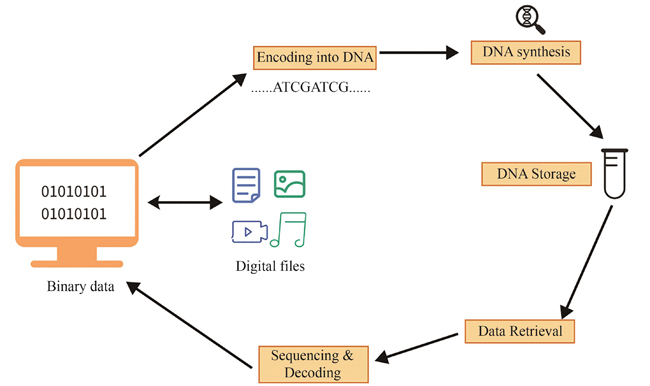
    Table and Figures | Reference | Related Articles | Metrics
    Research advances on the biosynthesis of mycosporine-like amino acids
    ZHANG Ping, ZHANG Weijiao, XU Ruirui, LI Jianghua, CHEN Jian, KANG Zhen
    Synthetic Biology Journal    2025, 6 (2): 306-319.   DOI: 10.12211/2096-8280.2024-063
    Abstract1097)   HTML67)    PDF(pc) (1667KB)(1908)       Save

    Mycosporine-like amino acids (MAAs), a class of natural sunproof molecules, have attracted intensive attention because of their potent ultraviolet (UV) -absorbing capabilities and potential applications in the cosmetics industry. However, the complicated extraction process and low yield restrict their applications. To address challenges with the supply of MAAs, reconstructing the biosynthesis pathway for their production in microbial cells with synthetic biology techniques provides an effective strategy. This article systematically reviews current progress in the biosynthesis of MAAs, covering a range of critical aspects, including the analysis of structural diversity, which is essential for understanding the functional properties of different MAAs. Additionally, the article delves into the elucidation of biosynthetic pathways, providing insights into the biochemical steps and enzymes involved in the production of MAAs. Furthermore, this review explores the construction of chassis cells in the biosynthesis of MAAs, including the integration of heterologous genes and the optimization of metabolic pathways, highlighting the importance of selecting and engineering suitable microbial hosts to optimize MAAs biosynthesis. The review provides a forward-looking perspective on microbial synthesis of MAAs, with a focus on driving innovation in green and efficient biomanufacturing of these high-value compounds. Meanwhile, the article also discusses the current key challenges in MAAs biosynthesis research, including low precursor content, insufficient enzyme catalytic activity, and difficulties in accurate product identification, which collectively hinder the industrial development of MAAs. Breaking through these technical bottlenecks is expected to enable the development of sustainable and economically viable approaches for the large-scale production of MAAs. This review introduces the current status of research on MAAs synthesized by microbial cells from multiple perspectives and makes a prospective analysis of future development trends, aiming to provide a reference and guidance for research on microbial synthesis of MAAs. Biosynthesis technology shows promise in replacing traditional extraction methods, potentially revolutionizing the production mode of MAAs fundamentally. This innovative production approach will not only satisfy the growing demand for MAAs in the cosmetics industry, but will also significantly improve the accessibility and usage of MAAs in multiple fields.

    Table and Figures | Reference | Related Articles | Metrics
    Efficient biosynthesis of glucoraphanin in Brassicaceae crops by genetic engineering
    LIU Xiaoyue, WANG Pandi, WU Gang, LIU Fang
    Synthetic Biology Journal    2025, 6 (1): 136-156.   DOI: 10.12211/2096-8280.2024-031
    Abstract997)   HTML61)    PDF(pc) (1734KB)(1875)       Save

    Glucoraphanin (GRA), a secondary metabolite of plants, is a glucosinolate (GSL) derived from methionine. It is relatively stable in nature, and both GRA and its degradation product sulforaphane (SFN) play important roles in anticancer, neuroprotection, and other broad biological functions and health-benefits, and in particular, SFN has been reported as the best natural product for anticancer. In this article, we review the physicochemical properties, sources, biological functions, synthetic pathways, current production status of GRA, and discuss the potential strategy for the efficient biological synthesis of GRA in the future. The synthesis pathway of GRA involves three stages: side chain elongation, core structure information, and side chain modification. GRA can be converted into SFN and other active compounds by plant myrosinase (MYR) and intestinal microorganisms. Brassicaceae crops such as broccoli have high levels of GRA, and are currently the main source of GRA. However, the cultivation cycle of GRA-rich plants is long, and its extraction yield is low. Therefore, the development of economical and renewable new resources of GRA will greatly advance its applications. With the elucidation of the biosynthesis and regulation pathways of GRA, its genetic engineering-assisted efficient biological synthesis shows great potential, suggesting that the possibility for developing strategies with the manipulation of multiple genes for regulated expression at different dimensions to synthesize GRA more efficiently compared to the current mainstream strategy through manipulating single genes. This review focuses on the genetic engineering-assisted efficient biosynthesis of GRA in Brassicaceae crops, systematically outlining potential genes for engineering at each stage of GRA synthesis and highlights chassis crop species from the perspective of enrichment organs, aiming to providing ideas and strategies for the future regulation of GRA biosynthesis in plants through transgenic technology and molecular breeding for large-scale sustainable production of GRA.

    Table and Figures | Reference | Related Articles | Metrics